Home for the Holidays: What to Do If You Discover a Loved One's Hoarding This Fall
Fall and holiday visits are when many Ohio families first see the extent of a loved one's hoarding. Here's how to respond with compassion, and where to start.
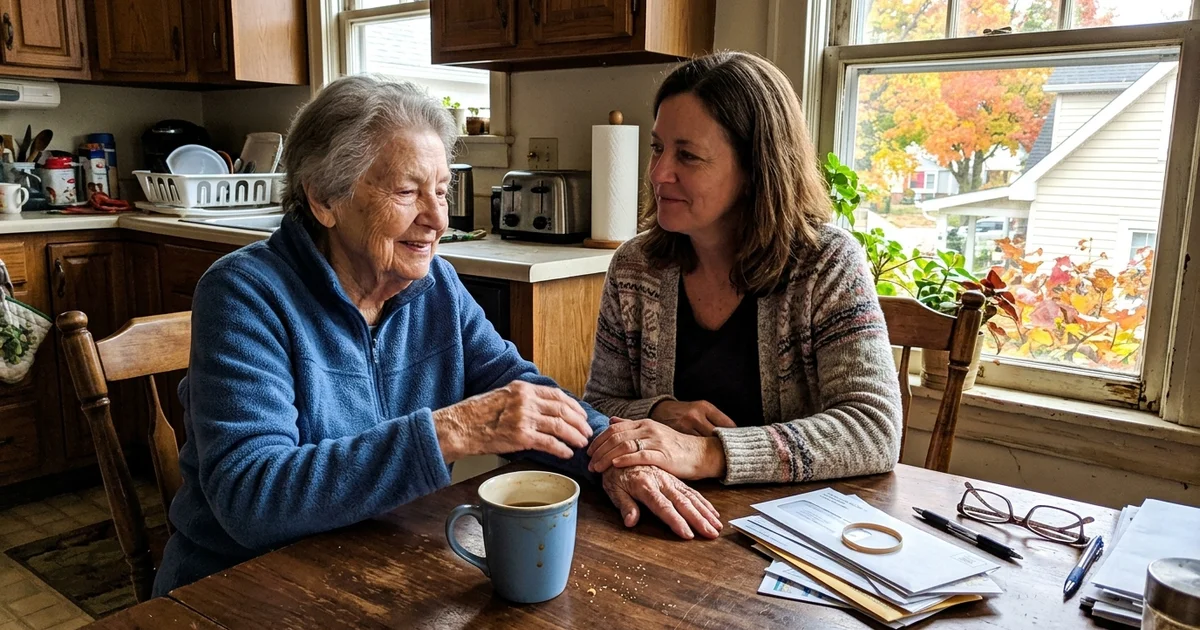
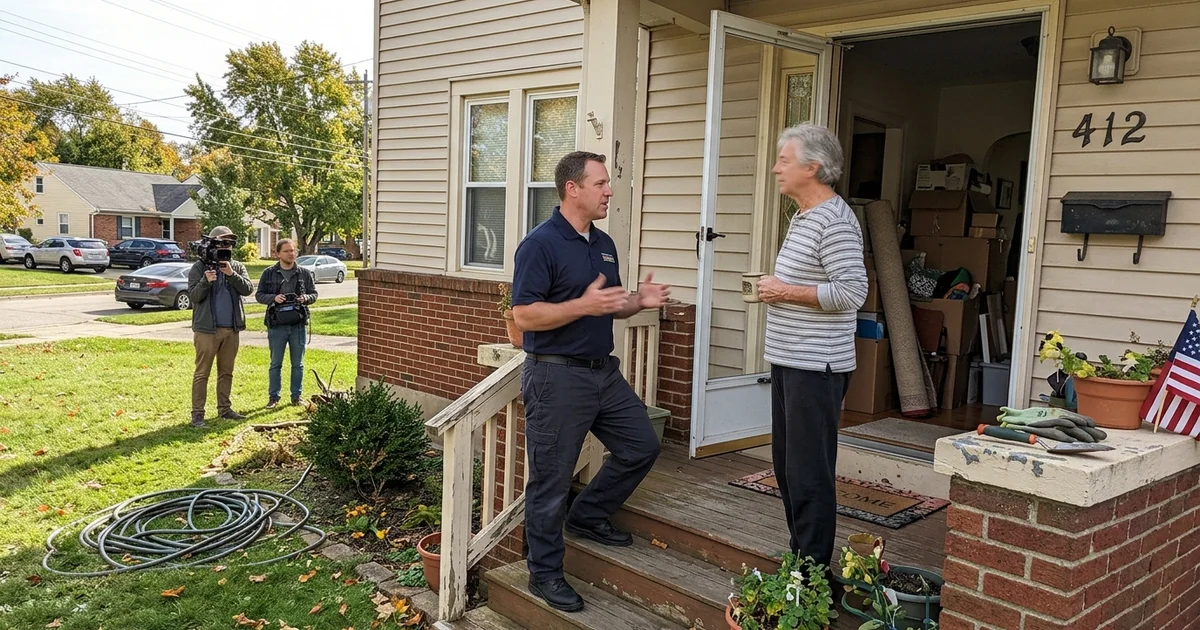
Every year the same thing happens. Families come home for Thanksgiving or an early fall visit, walk through a door they have not walked through in a year, and realize the situation has changed completely. Calls to our Cincinnati hoarding cleanup team climb every November for exactly this reason.
If that is where you are right now, the first thing worth saying is that you have not failed anyone. Hoarding disorder progresses gradually, and it hides well from phone calls and holiday cards. Noticing it is the start of helping, not proof you noticed too late.
What You Are Probably Seeing
The fall visit tends to reveal things a summer porch conversation does not. The heat is on, so smells that dispersed in warm weather now sit in the house. Daylight is shorter, so rooms that used to look merely full now look genuinely impassable. And people stay indoors longer, which means the areas that were being managed are suddenly not.
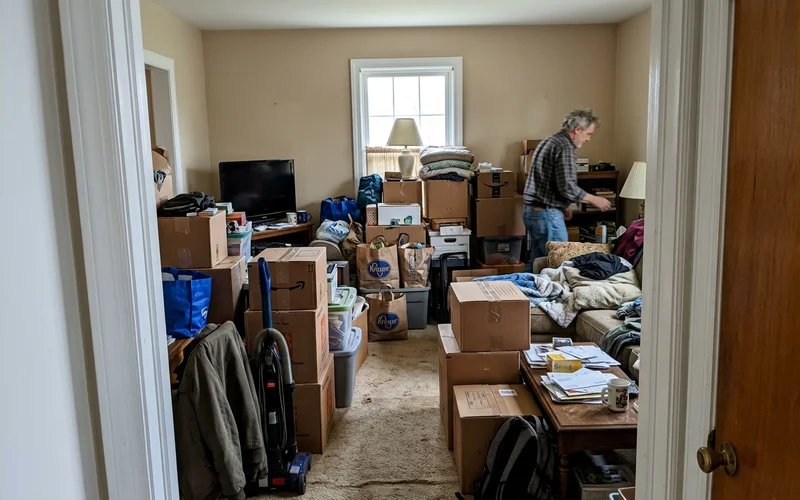
Look for the safety markers rather than the mess itself. Blocked exits and stairways. A kitchen that cannot be used to cook. Bathrooms that have gone out of service. Space heaters running near stacked material. Spoiled food, pest activity, or a strong ammonia smell. Any one of those moves this from a tidiness question into a safety question.
The Conversation That Actually Works
Here is what does not work, and I say this after three decades of watching families try it: the ultimatum, the surprise cleanout while they are at an appointment, and the argument about why the stuff does not matter.
Forced cleanouts fail at an extraordinary rate. They also do real psychological harm. The person loses their sense of control, the underlying condition goes untreated, and the house refills, usually faster than before and with more secrecy around it.
Lead with safety, not shame
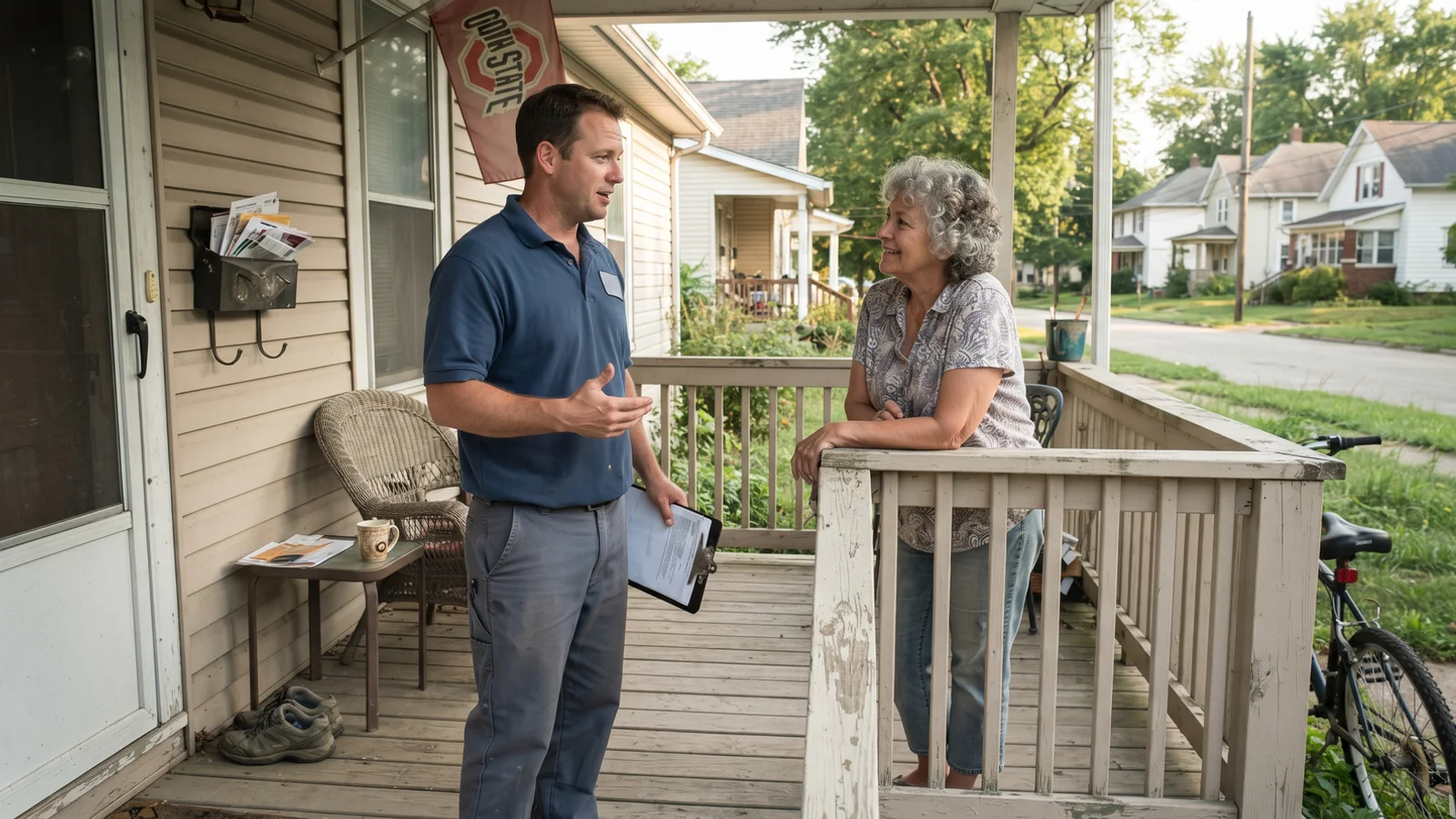
“I love you and I’m worried the back door doesn’t open” lands very differently than “this place is a disaster.” One is a concern you share. The other is a verdict they have already heard from themselves a thousand times.
Ask permission before touching anything. Ask what they would want to keep if they had help. Offer to be there rather than to take over. And be prepared for the first conversation to end in a no, which is normal and not the end of it.
When to Bring in Professional Help
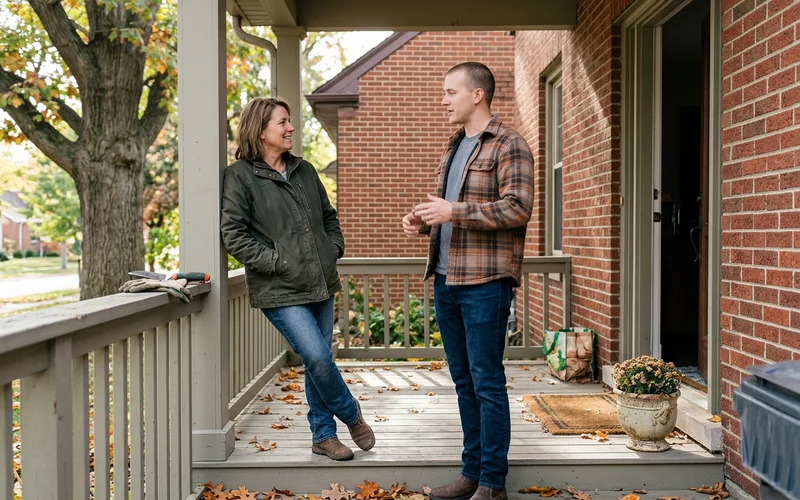
Some situations move past what a family can handle, regardless of how willing everyone is. Call a professional when biohazards are present, when pest activity has taken hold, when structural safety is in question, or when the volume is simply beyond what a few weekends could touch.
The other reason to call is the one families rarely consider: a trained crew takes the relationship out of the equation. When a son or daughter runs the cleanout, every decision becomes a negotiation loaded with decades of history. When we run it, the person keeps the authority and the family keeps the relationship.
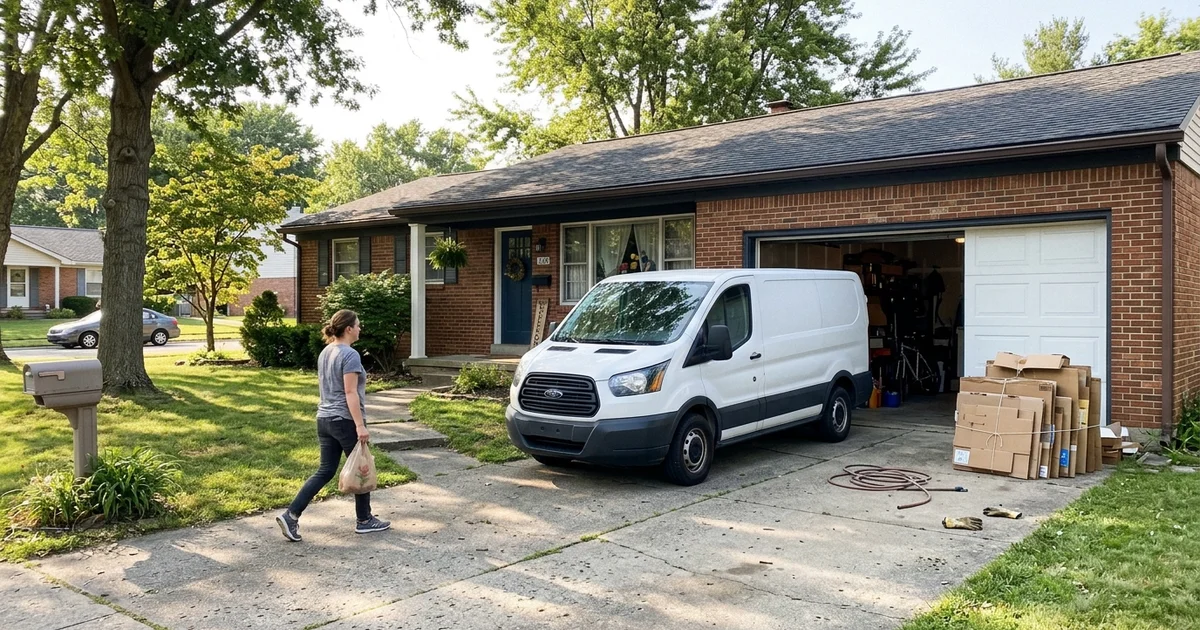
Our crews are trained in the psychology of hoarding. We work at the client’s pace, we never force a decision, and nothing leaves the property before it has been checked for value or meaning. We also arrive in unmarked vehicles, which matters a great deal to someone who has spent years avoiding their neighbors.
Practical Next Steps Before the Holidays
Start with a phone call to us, not to your loved one. There is no charge and no obligation, and it is completely confidential. Describe what you saw and we will tell you honestly what it likely needs and what it is likely to cost.
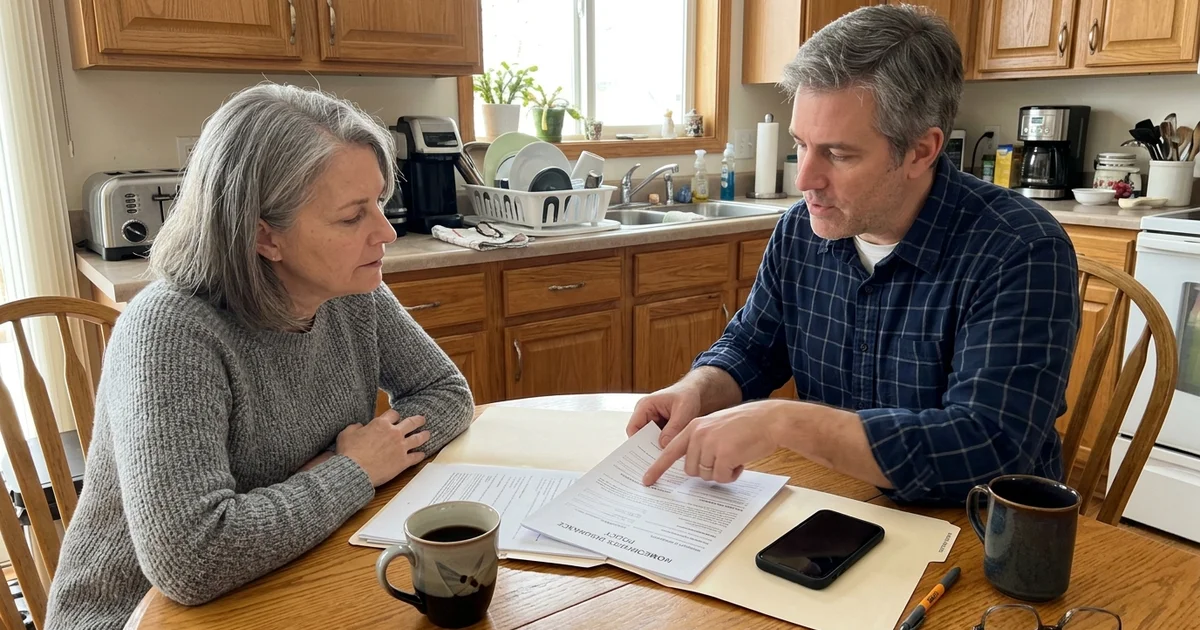
If the situation is urgent, we respond 24 hours a day. If it is not, we can help you think through timing, how to approach the conversation, and whether homeowners insurance may cover part of the work. Many families are surprised to learn it often does.
One more thing worth saying before you go back for the holiday. Nobody chooses this. The person in that house is usually more distressed about it than you are, and they have almost certainly been dreading this visit. Going in gently is not just kinder, it is the approach that actually works.
Not sure what you are dealing with? — See how our biohazard and trauma cleanup works

Cory Chalmers
CEO & Founder
Cory Chalmers is the CEO and founder of Cincinnati Hoarding Pros and an internationally recognized expert on hoarding disorder, featured on A&E's 'Hoarders.' He has spent over three decades pioneering compassionate, psychology-informed hoarding cleanup and biohazard remediation for families across Ohio and nationwide.
✓ Biohazard Response Trained, International Speaker on Hoarding Disorder
Need help with this yourself?
The helpline is answered 24 hours a day, every day of the year. Estimates are free and completely confidential.