
How Professional Cigarette Smoke Odor Removal Works
How professional cigarette smoke odor removal works: nicotine and tar residue, source removal, sealing, thermal fogging, ozone, and HVAC considerations.
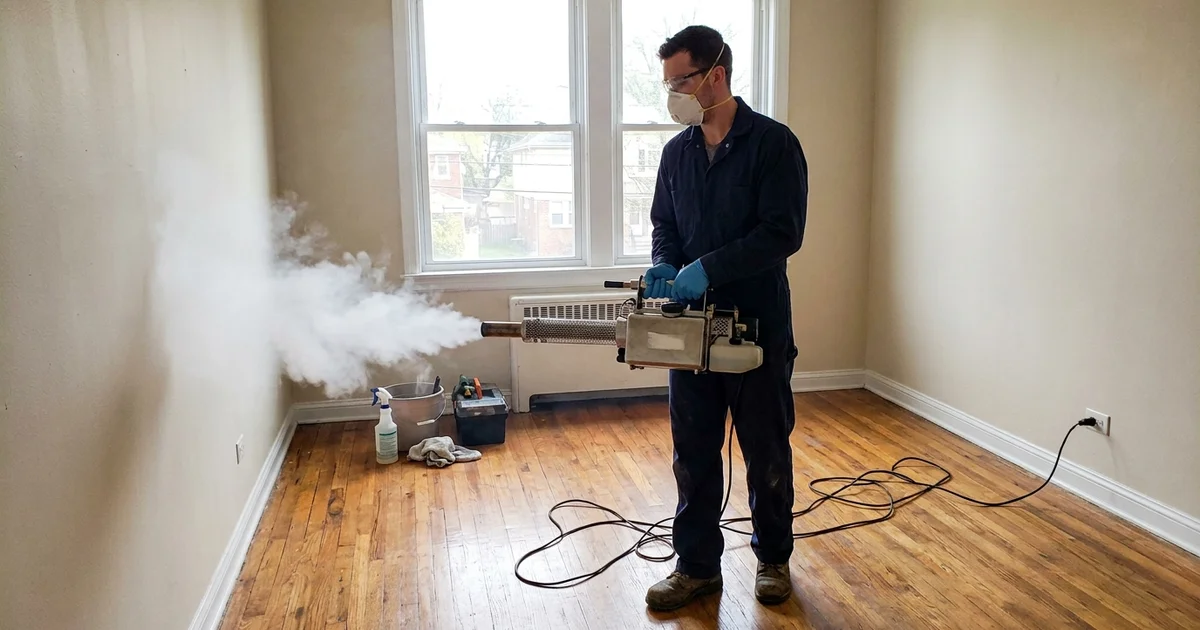
You know how frustrating it is when a deep clean barely puts a dent in that stale tobacco smell. We see this constantly in homes managing various levels of hoarding.
The sheer volume of belongings multiplies the surface area where smoke can settle.
That residue is not a simple stain, but an active source that requires a specific cigarette smoke removal process, starting with a targeted odor and smoke removal strategy. Let’s look at the data, what it is actually telling us, and explore a few practical ways to respond.
Why Smoke Odour Behaves Differently
Cigarette smoke behaves differently because it leaves behind both a sticky physical residue and a deep molecular absorption problem. You cannot effectively eliminate the smell without addressing both of these distinct issues in the correct sequence.
Nicotine and tar physically coat surfaces in a smoked property. This creates a yellow-brown film on walls, ceilings, windows, and cabinets. That residue continues off-gassing indefinitely.
Odor molecules also soak deeply into porous materials like carpets, drywall, and insulation. These materials release the smell slowly over months or years. We always tackle these two issues in a strict, mandatory sequence. Following the right order prevents you from permanently trapping the odor inside the building materials.
Step 1: Assess and Identify the Reservoirs in the Cigarette Smoke Removal Process
Step one is identifying every material in the home that acts as a reservoir for the smoke odor. We create a strict decision list outlining what can be salvaged and what must be permanently discarded.
In homes dealing with Levels 1 through 5 of hoarding disorder, the assessment phase is highly emotional but critical. Clutter vastly multiplies the total square footage of porous surfaces. A Level 4 hoarding situation contains significantly more absorbent material than an average living space.
Our initial walkthrough pinpoints the heaviest contamination zones with deep empathy for the homeowner. That usually means evaluating the carpet, thick padding, ceiling tiles, and the HVAC system.
Here is what an effective assessment looks like:
- Cataloging porous items like clothing and stacked newspapers.
- Checking the condition of carpets and underlying padding.
- Evaluating the HVAC ductwork for tar buildup.
- Making the hard choice between discarding and saving.
Step 2: Remove Saturated Materials
Removing saturated materials is the non-negotiable step of physically clearing out items that are too deeply penetrated by smoke to be cleaned. You must take out long-term exposed carpets, padding, and heavily contaminated upholstery.
This step is incredibly challenging for families facing a hoarding cleanup. Letting go of possessions is emotionally taxing. However, porous materials literally lock the odor inside.
We gently guide families through this necessary clearing phase. Discarding items like old window curtains and ceiling tiles is the only way to stop the off-gassing cycle.
To make the process easier, rely on this breakdown of common materials:
| Material Type | Porosity | Action Required |
|---|---|---|
| Carpet & Padding | High | Remove and discard |
| Glass & Mirrors | Low | Clean and sanitize |
| Solid Wood Furniture | Medium | Clean and seal |
| Stuffed Upholstery | High | Remove and discard |
Step 3: Clean Residue From Hard Surfaces
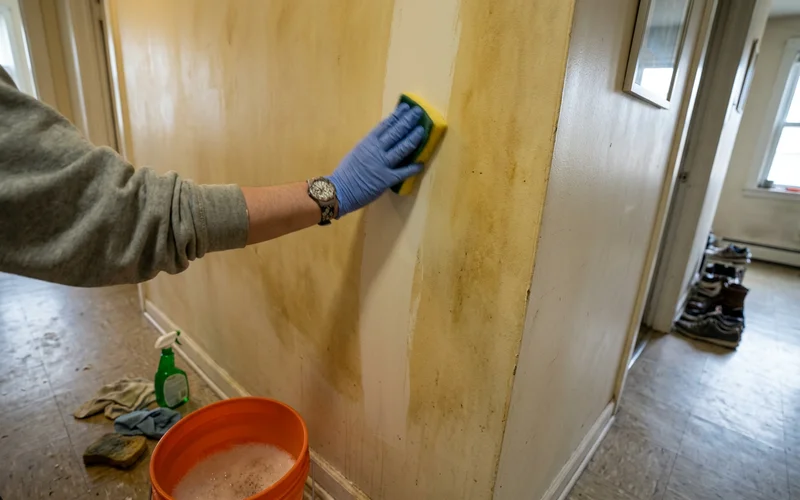
Cleaning the residue involves scrubbing every remaining hard surface to physically strip away the sticky tar. We use specialized degreasers like Trisodium Phosphate (TSP) to dissolve this stubborn film for effective nicotine smell removal.
This is a highly labor-intensive phase that frequently gets skipped by amateurs. Every single hard surface requires thorough washing.
Our technicians often see a dramatic color shift during this phase. Clients regularly take photographs as yellowed walls return to their original shade.
“Thorough cleaning must happen before sealing, otherwise you are just trapping the active odor source under a layer of paint.”
Step 4: Seal Remaining Porous Surfaces
Sealing porous surfaces means applying a specialized odor-blocking primer to lock in any remaining deep-set smells. You must use a high-quality product like KILZ Restoration Primer or Zinsser B-I-N Shellac-Base Primer to stop the off-gassing.
Once cleaned, any porous surface staying in the property needs this barrier. Applying new paint without a dedicated sealer will just allow the nicotine to bleed through within weeks.
KILZ Restoration is a popular water-based option in the US that effectively blocks odors from the subfloor up. Sealing before cleaning actually traps the sticky residue under the paint, which guarantees failure. The sequence of cleaning first is vital for success.
Step 5: HVAC and Ductwork
Addressing the HVAC system requires changing the filters, scrubbing the physical ducts, and applying an EPA-registered sanitizer. Ductwork actively pulls contaminated air from heavily smoked rooms and distributes it throughout the entire house.
The ducts themselves accumulate thick layers of tar over time. According to the National Air Duct Cleaners Association (NADCA), a simple vacuuming is never enough for smoke odor.
We follow strict protocols to clean the components before fogging the system with a product like EnviroCon. Skipping the ductwork is the most common reason a smoke odor job fails two weeks later. The building usually gets the blame, but the hidden HVAC system is the real culprit.
Critical steps for proper HVAC restoration include:
- Replacing standard filters with MERV 13 rated filters.
- Agitating and vacuuming the internal duct walls.
- Cleaning the cooling coils and blower motor.
- Applying a safe, EPA-approved deodorizer directly into the system.
Step 6: Molecular Air Treatment
Molecular air treatment is the final step where specialized equipment neutralizes any free-floating odor particles remaining in the air. If you are researching how to remove cigarette smoke smell from house environments permanently, you must understand this requires professional tools to reach the microscopic cracks that standard cleaning misses.
With sources removed and surfaces sealed, the air itself needs direct attention. We deploy specific technologies based on the unique needs of the property.
Here are the primary methods for targeting airborne molecules:
- Thermal fogging heats a deodorizing compound like OdorX Thermo-55 into a fine vapor. This vapor penetrates the exact same cracks that the original smoke reached.
- Ozone oxidation breaks down odor molecules aggressively. The US EPA warns that consumer ozone generators are unsafe because effective odor removal requires 5 to 10 PPM of ozone. That concentration is far above the OSHA safety limit of 0.10 PPM, meaning the home must be completely unoccupied.
- Hydroxyl generators work more slowly but provide a fantastic alternative. These units are completely safe to run in occupied spaces. Air scrubbers run continuously alongside these machines to cycle the air volume.
What This Means for Landlords
For landlords, a rapid cigarette smoke removal process restores the market value of a property and drastically reduces vacancy times. A smoke-damaged unit typically sits empty or rents well below its actual worth.
According to data from real estate and restoration experts like Steri-Clean in Indiana, severe tobacco odors can reduce a home’s value by up to 29%. Rapid turnaround can restore a typical US rental unit in as little as 48 hours. That quick investment is almost always cheaper than covering the cost of another vacant month.
Our process delivers lasting results rather than a temporary cover-up. For a detailed breakdown of what actually gets results, odor removal versus masking is worth reading before you spend your renovation budget. Take a look at that guide today to plan your next steps.
Frequently Asked Questions
Can smoke smell really be removed?
Does painting fix smoke odor?
How long does professional smoke odor removal take?
Do the carpets and curtains have to go?
Related Guides
Odor Removal vs. Masking: What Actually Works
Odor removal vs. masking: masking versus molecular removal, ozone and hydroxyl versus sprays, durability of results, and cost versus benefit.
Why Household Odors Keep Coming Back
Why bad household odors keep returning: absorbed odors in porous materials, hidden sources, why air fresheners fail, and when to call a professional.
Learn more about Odor & Smoke Removal
If this guide described your situation, our odor removal service page walks through the full process, pricing, and what happens after you call.