
Fentanyl and Drug Residue Decontamination
Safe fentanyl and drug-residue decontamination in Cincinnati for landlords, buyers, and first responders, covering surface contamination risks, PPE, and verification.
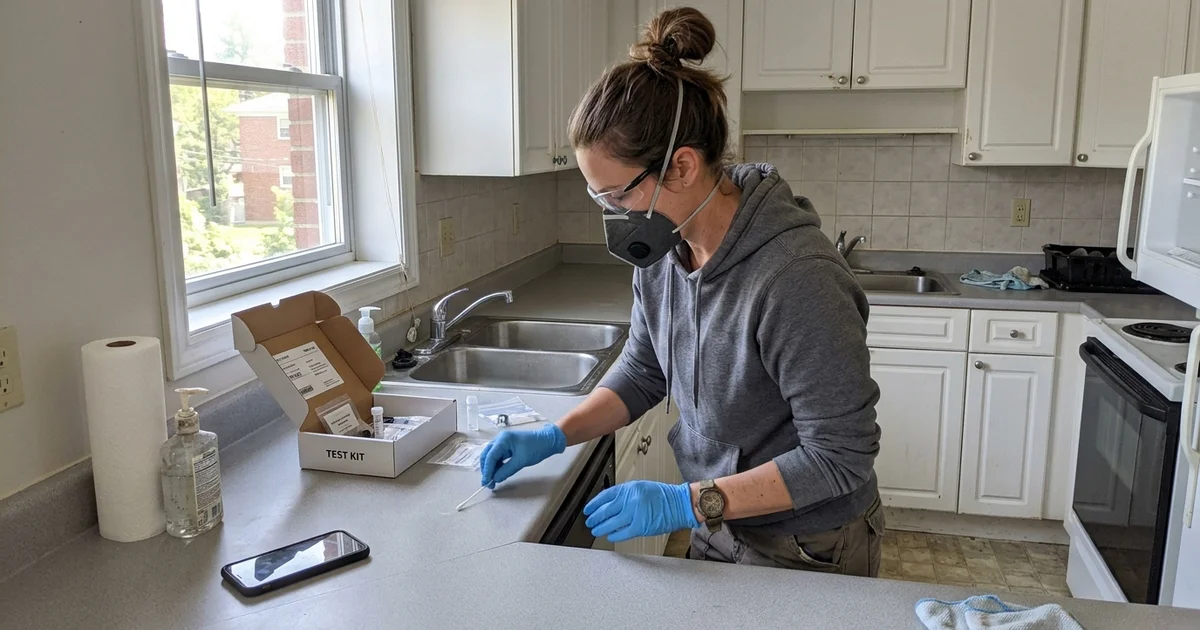
Many properties affected by severe hoarding require the specific fentanyl decontamination Cincinnati experts recommend to completely remove unseen chemical risks. Our professional service team regularly encounters hidden drug residue buried under years of accumulated possessions.
The Ohio Department of Health reported that fentanyl was involved in 69% of unintentional drug overdoses statewide in 2024. We integrate this specific reality into our biohazard and trauma cleanup protocols. Hidden chemical dangers make clearing a hoarded property incredibly dangerous for an unprotected family member.
Our objective is to break down how surface contamination works and detail the steps required to restore a property safely.
Why This Comes Up in Ohio More Than Most States
Ohio faces a severe opioid crisis, meaning drug residue decontamination is now a frequent necessity rather than a rare request. Our crews field daily calls from estate executors, overwhelmed families, and landlords discovering a severe hoarding and substance issue.
The sheer volume of items in a Level 3 to Level 5 hoarding situation perfectly conceals drug paraphernalia. We know that a family member trying to clear out a relative’s house might suddenly uncover a lethal hazard.
State data from 2024 shows 2,931 Ohioans died from unintentional overdoses, meaning this hazard is incredibly common. Our technicians respond to the following scenarios because regular cleanout crews are not equipped for the fentanyl decontamination Cincinnati properties require today:
- A family inheriting a heavily hoarded estate with a known history of transient guests.
- Landlords discovering a tenant was manufacturing narcotics amidst severe clutter.
- New buyers finding drug paraphernalia hidden inside wall cavities.
- Property managers dealing with abandoned units filled with unsanitary debris.
What Surface Contamination Actually Means
Surface contamination means lethal synthetic opioids are present on objects, creating a severe contact hazard for anyone trying to clean up blindly. Our experts want to be accurate rather than alarming because misinformation on this topic is widespread.
Fentanyl residue on a surface is primarily a handling hazard rather than an immediate airborne emergency. We consider transfer to be the genuine risk here, as residue picked up on bare hands easily reaches the mouth or eyes.
Disturbing dry residue by sweeping aerosolizes the particles right into your breathing zone. We refer to the following fact to illustrate the true danger of these environments:
“A lethal dose of fentanyl is estimated to be just two to three milligrams, which looks like five to seven individual grains of salt.”
That microscopic amount changes the risk profile sharply. Our team urges extreme caution when children or pets will eventually occupy the space.
Someone cleaning a hoarder’s home without protective equipment faces an unacceptable danger. We strongly advise reviewing the graphic below to understand these hazards.
Where Residue Concentrates
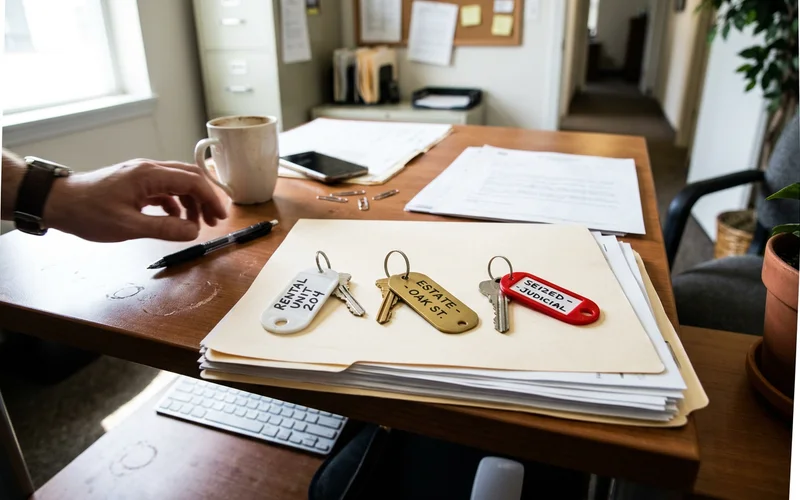
Residue settles heavily on high-contact hard surfaces, absorbs deeply into soft porous materials, and circulates throughout HVAC ductwork. Our initial focus always targets counters, tables, door handles, light switches, and bathroom fixtures.
Porous items create a much bigger challenge in a hoarded home. We frequently find that carpet, upholstery, clothing piles, and mattresses cannot be treated safely.
Soft materials absorb and hold chemical off-gassing and airborne particles indefinitely.
The Hidden HVAC Danger
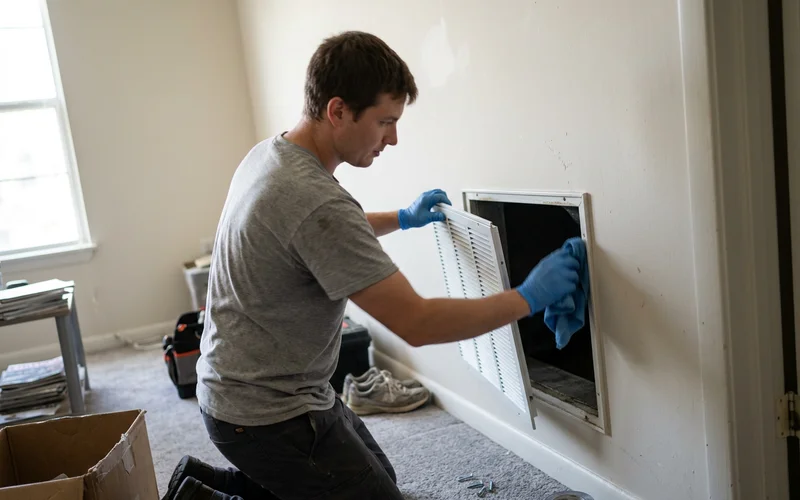
Our technicians regularly find that return vents and ductwork collect and redistribute dangerous particulates. Heating and cooling systems matter more than most people expect during a drug residue cleanup.
We remove and replace heavily contaminated filters and clean the ductwork completely. Treating a single bedroom while ignoring the ventilation system produces a partial and unsafe result.
Manufacturing vs. Use
Our containment protocols expand significantly for active meth residue decontamination. Properties where manufacturing occurred present a drastically larger scope of work than places with use alone.
We have to strip many of these surfaces down to the studs to achieve a safe baseline. Cooking chemicals penetrate deep into walls, ceilings, and plumbing systems.
Our Process
Our crews start by swabbing representative high-contact surfaces to build a clear treatment plan. Assessment and sampling come first to establish a baseline and determine if the contamination is localized or widespread.
We set up negative air filtration barriers so nothing migrates into clean areas during the work. Containment follows immediately to protect the rest of the structure.
Our workers wear appropriate respiratory protection and disposable protective clothing at all times, which is a large part of why cleaning up biohazards yourself is not a realistic option with fentanyl in the picture. EPA emergency response research from 2026 emphasizes that physical removal is no longer enough for synthetic opioids.
We exclusively use wet cleaning methods to prevent chemical dust from going airborne, as shown in the comparison below.
| Treatment Method | Action | Safety Result |
|---|---|---|
| Dry Sweeping | Pushes powder into the air | High risk of inhalation |
| Basic Wiping | Moves residue around surfaces | Creates hazardous waste |
| Chemical Neutralization | Breaks down the molecular structure | Safely eliminates the threat |
Targeted oxidation solutions break down the compound rather than just wiping it away. Our treatment combines specialized detergent cleaning with targeted chemical neutralization to eliminate the threat completely.
Heavily contaminated items from a hoarded environment cannot always be saved. We securely bag and dispose of soft materials that cannot be reliably neutralized.
Verification and Documentation
Post-treatment sampling on the previously tested surfaces provides a highly documented clearance record. Our company provides you with this exact before-and-after comparison.
This physical evidence is the part that actually matters commercially and legally. We ensure an estate executor can put this clearance letter directly into the property file.
A landlord can confidently show this testing data to a prospective tenant to prove the unit is safe. Our documentation allows a seller to answer a buyer’s safety question with hard evidence rather than a verbal assurance.
Without a clear lab report, the property carries an unanswerable liability question indefinitely. We typically include the following elements in a proper documentation package:
- Initial laboratory baseline results.
- A detailed scope of the chemical neutralization work.
- Photographic evidence of the containment process.
- Final clearance lab reports showing zero dangerous residue.
Who Should Call
Landlords, realtors, and overwhelmed families dealing with a contaminated estate should call professional remediators before anyone moves debris. Our advice to an executor preparing a hoarded home for sale is to call us before officially listing the property.
Disclosure obligations make this a serious legal question as well as a health hazard. We tell buyers and landlords to call before their standard cleaning crew goes in.
Sending unprotected workers into a known drug environment is a massive liability. Our estimates are entirely free and strictly confidential.
A preliminary assessment requires just a few basic details:
- Photographs of the affected rooms.
- A description of the property’s history.
- The known timeline of the hoarding or substance issue.
We use this information to plan the fentanyl decontamination Cincinnati families rely on. Fast and discreet scheduling helps your family move forward safely.
Frequently Asked Questions
Is fentanyl residue on surfaces dangerous?
Who typically needs drug-residue decontamination?
How do you verify the property is clean?
Is meth residue handled the same way?
Related Guides
How Much Does Biohazard Cleanup Cost in Ohio?
What drives biohazard cleanup cost in Ohio, from labor and medical-waste poundage to containment, plus insurance coverage and deposit terms.
The Biohazard Remediation Process Step by Step
See the full biohazard remediation process: assessment, containment, removal, EPA-registered disinfection, ATP verification, and clearance documentation.
Is It Safe to Clean Up Biohazards Yourself?
Why DIY biohazard cleanup is dangerous, covering bloodborne pathogens, cross-contamination, respiratory hazards, and legal liability, and when to call professionals.
Sewage and Blackwater Cleanup After a Backup
Category 3 blackwater and sewage backup cleanup in Cincinnati, covering health hazards, extraction, sanitization, and drying after Ohio River and Mill Creek flooding.
Learn more about Biohazard & Trauma Scene Cleanup
If this guide described your situation, our biohazard cleanup service page walks through the full process, pricing, and what happens after you call.