
Health Risks of Animal Feces, Urine, and Hoarding
The health risks of animal feces, urine, and animal hoarding: zoonotic pathogens, histoplasmosis, toxoplasmosis, ammonia exposure, and why DIY is unsafe.
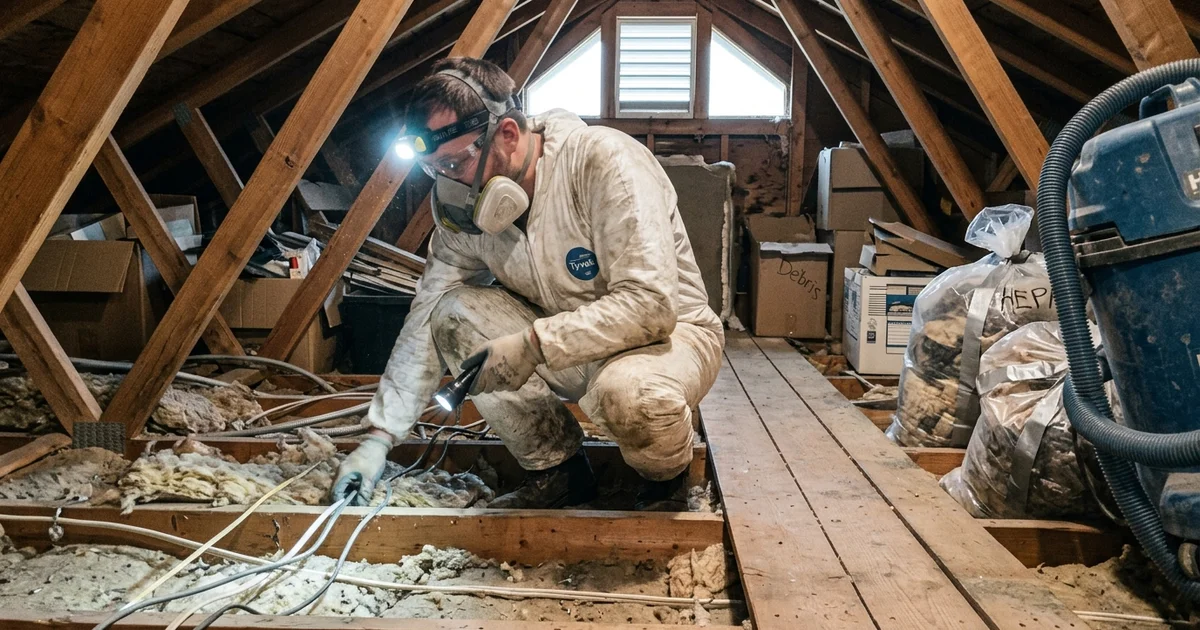
Based on daily field assessments, the health risks of animal feces in the home are severely underestimated. Property damage is obvious, but the invisible biological threat puts occupants directly in the hospital.
Standard cleaning simply will not work here.
We will break down exactly how pathogen loads multiply in these environments and walk through the exact protocols required to neutralize the threat.
Why Accumulated Animal Waste Is a Different Problem
A pet accident on a carpet is a basic cleaning task. Years of accumulated feces and urine across a property create an active biological hazard.
The difference goes far beyond simple volume. Accumulation fundamentally changes the environment by multiplying the pathogen load, saturating building materials with continuous off-gassing, and creating airborne threats upon disturbance. That last point catches many property owners completely off guard.
| Factor | Normal Pet Waste | Accumulated Hoarding Waste |
|---|---|---|
| Pathogen Lifespan | Days to weeks | Up to 1,095 days indoors |
| Air Quality Impact | Minimal odor | Toxic off-gassing and airborne spores |
| Required Response | Standard surface cleaning | Full biohazard remediation |
In the US, animal hoarding impacts approximately 250,000 animals yearly according to data from the Animal Legal Defense Fund. This scale of hoarding generates a massive volume of waste that sinks deep into subflooring. Pathogens like E. coli and Salmonella can survive in these ideal, undisturbed indoor conditions for up to 1,095 days.
Our animal waste cleanup crews treat these environments with strict containment and respiratory protection. The reasons for this gear are highly specific rather than merely precautionary.
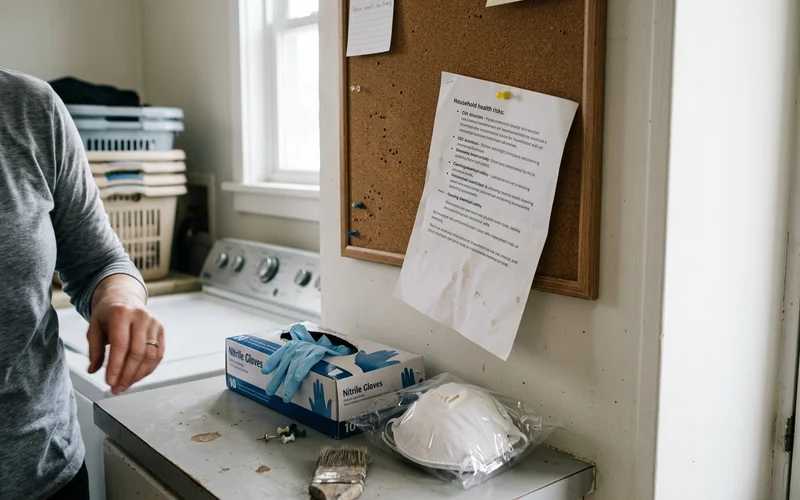
The Zoonotic Pathogens That Matter: Health Risks of Animal Feces in the Home
Zoonotic pathogens transmit directly from animals to humans, turning contaminated properties into severe health hazards. Several specific diseases dominate these environments depending on the animal species present.
Hantavirus and Respiratory Failure
Hantavirus is carried primarily by deer mice across the US. The virus transmits to humans through inhaling aerosolized dried droppings and urine.
The resulting Hantavirus Pulmonary Syndrome (HPS) is a severe respiratory illness. The US CDC reports a 38% mortality rate for HPS, with 890 confirmed cases tracked nationwide through 2023. Disturbing dried droppings by sweeping or vacuuming serves as the primary exposure pathway.
Histoplasmosis in Confined Spaces
Histoplasmosis originates from Histoplasma capsulatum, a fungus that thrives in soil enriched by bird and bat droppings. Attics with long-term bird or bat presence create the classic setting for this exposure.
The microscopic spores become airborne the moment accumulated guano is disturbed. While the CDC notes a general mortality rate of around 5% for severe cases, this lung infection poses a massive risk to immunocompromised individuals. Cases spike heavily in the Ohio and Mississippi River Valleys where the fungus naturally occurs.
Toxoplasmosis Risks for Vulnerable Groups
Toxoplasmosis is a parasitic infection found primarily in cat feces. Most healthy adults experience mild or no symptoms, but the invisible threat remains severe for specific groups.
The CDC estimates that 85% of pregnant women in the US remain at risk for this infection. Up to 4,000 babies are born with congenital toxoplasmosis annually, making this a critical hazard in feline hoarding situations.
Ammonia Exposure
Concentrated urine breaks down and releases ammonia gas continuously into the air. In an open room with airflow, this creates an unpleasant smell, but in an enclosed attic or closed-up house, the gas concentration builds to dangerous levels.
At meaningful levels, the urine ammonia danger causes immediate eye, throat, and respiratory irritation. Prolonged exposure in a confined space actively causes severe respiratory harm. OSHA sets clear safety boundaries for this toxic gas:
- 20 ppm: The human nose detects the initial odor.
- 50 ppm: Maximum safe 8-hour exposure limit (PEL).
- 300 ppm: Immediately Dangerous to Life and Health (IDLH).
For anyone with asthma or COPD, the threshold for physical harm sits considerably lower. If you open a door and your eyes immediately sting, you are not dealing with a simple smell problem. You are taking a high-concentration chemical reading directly with your face.
Why DIY Cleanup Makes It Worse
The intuitive approach to cleaning actually makes the primary hazard significantly worse in three distinct ways. Dry sweeping aerosolizes dormant pathogens directly into your breathing zone.
A standard household vacuum does the exact same thing while simultaneously distributing the microscopic threat through the exhaust port. Cleaning without proper containment then carries the contaminated material into the rest of the property on shoes, tools, and clothing.
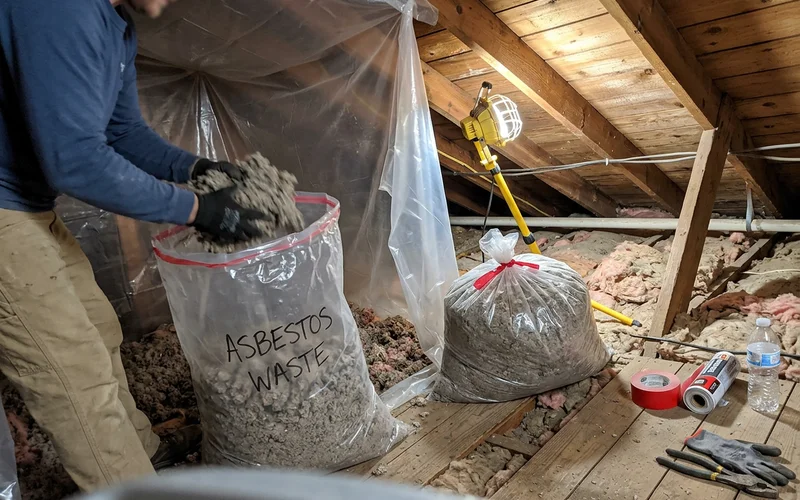
“Never use a standard household vacuum on dried rodent droppings. You are essentially building a pathogen distribution machine that pushes hantavirus directly into the air you breathe.”
Professional handling reverses each of those dangerous missteps. Our technicians deploy specific methodologies to neutralize the threat entirely.
- HEPA Negative-Air Containment: Controls airflow and traps microscopic particles.
- Wet Remediation Methods: Prevents dry pathogens from aerosolizing.
- Rated Respirators: Protects the technician’s airway from toxic gas and spores.
- Sealed Disposal: Contaminated insulation and materials leave in sealed bags rather than open loads.
A Note on Animal Hoarding
Many of these contaminated properties involve animal hoarding, which is a recognized mental health condition rather than deliberate cruelty. The person involved usually feels deeply overwhelmed and frequently ashamed of the situation.
These individuals often genuinely believed they were helping or rescuing the animals. The animal hoarding health risks compound quickly when the owner becomes blind to the declining sanitation. The American Psychiatric Association categorizes hoarding disorder as a specific mental illness in the DSM-5-TR, requiring a highly sensitive intervention.
Our approach focuses on three core principles during these sensitive cleanups:
- Compassion: Treating the individual with absolute respect and dignity.
- Containment: Stopping the spread of biological hazards immediately.
- Confidentiality: Protecting the privacy of the family throughout the process.
Field crews undergo specific training in the psychology of hoarding to work entirely without confrontation. Handling the physical contamination and treating the homeowner with dignity never have to be competing priorities.
What to Do Now
If waste is widespread or has reached a confined space like an attic or crawlspace, do not attempt to clean it yourself. Professional assessment is the only reliable way to protect household members, especially those with existing respiratory conditions.
For the specific rodent scenario, rodent droppings and hantavirus risk covers safe handling in precise detail.
The assessment is completely free and confidential, and we will tell you plainly whether the situation needs professional remediation. Understanding the health risks of animal feces in the home is your first step toward restoring a safe living environment. Call our team today to get a plain, honest evaluation of your property.
Frequently Asked Questions
Is animal waste in the home dangerous?
Can I clean it myself?
Who is most at risk?
Does the smell mean there is a health risk?
Related Guides
Cleaning Rodent Droppings and Hantavirus Risk
Why rodent droppings and hantavirus are dangerous: aerosolized dried feces, attic and crawlspace remediation, HEPA negative-air containment, and insulation removal.
What to Expect During Animal Waste Remediation
What to expect during animal waste remediation: assessment, containment, removal and sanitizing, odor elimination, timeline, and restoration.
Learn more about Animal Waste Cleanup
If this guide described your situation, our animal waste service page walks through the full process, pricing, and what happens after you call.