
How Decomposition and Odor Are Removed From a Property
How professionals remove decomposition and odor: fluid removal, subfloor sealing, hydroxyl and ozone fogging, air scrubbing, and odor verification.
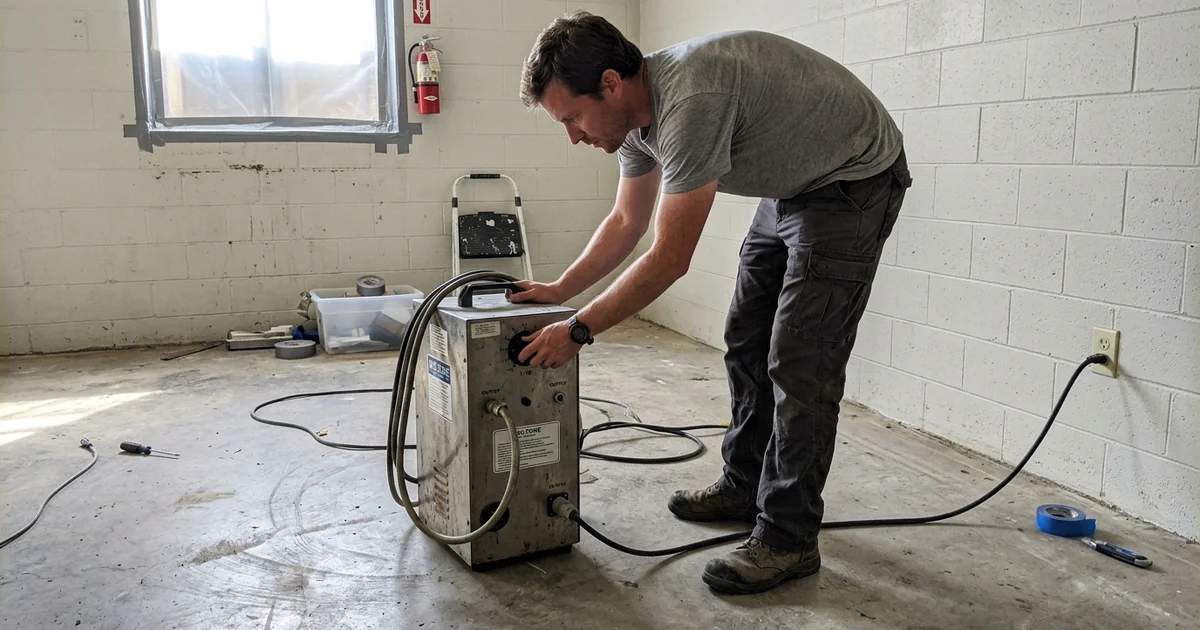
Many families call us feeling defeated after scrubbing a room for days, only to have the smell return. Our teams see this frustration constantly when people ask how to remove decomposition odor from a house.
The reality is that decomposition changes the physical environment of a home on a microscopic level.
We are going to break down the science of odor saturation and explain why standard methods fall short. Let’s explore exactly how these molecules behave and walk through the practical steps required to permanently restore your property.
The Reason Ordinary Cleaning Fails
Ordinary cleaning fails because decomposition odor is a material issue, not just a surface mess. Standard household products simply cannot reach the deeply embedded source of the problem.
We approach this by looking at the chemistry of the human body. As organic tissue breaks down, amino acids like lysine and ornithine convert into gases known as cadaverine and putrescine. These specific compounds are incredibly small and stable molecules that carry a highly offensive smell. Our experience shows that these gases expand and bond with the most common porous materials in a US home:
- Unfinished wood trim and baseboards
- Carpet padding and synthetic backing
- Drywall and fiberglass insulation
- Textiles like mattresses and sofa cushions
The building materials hold the compounds tight, releasing them slowly and continuously for months on end. We find that wiping surfaces only removes the top layer of residue. The massive reservoir of odor trapped behind that surface keeps working indefinitely.
Spraying a heavy fragrance merely adds a second scent for a few hours before the putrescine overpowers it again. Painting over a stain traps the smell briefly, but the gas eventually bleeds right through the fresh coat. Our unattended death cleanup process works in a strict, scientific order for exactly this reason. Every single phase of the recovery relies entirely on the successful completion of the step before it.
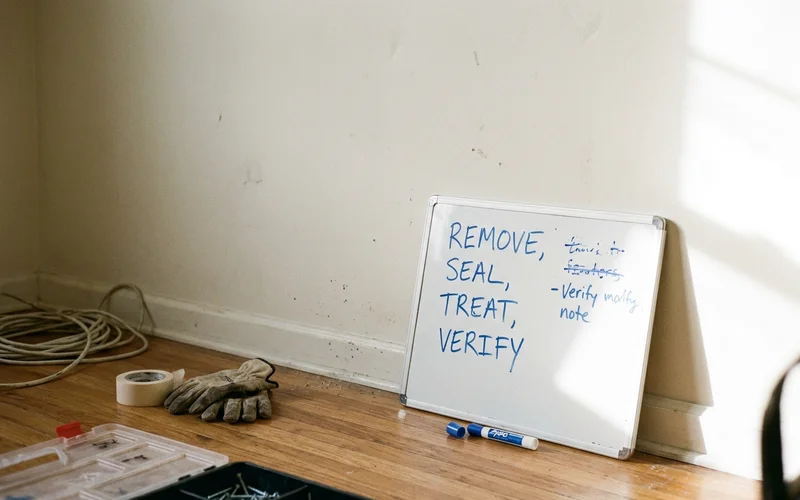
Step 1: Source and Material Removal
Removing the biological source and any heavily saturated materials is the mandatory first step to stopping the odor at its root. Absolutely nothing else works until this primary physical removal is complete.
We begin by carefully removing all biological material according to strict US federal guidelines. Following OSHA and EPA biohazard disposal regulations ensures the safety of everyone involved and prevents cross-contamination. Any porous material that absorbed fluid directly must be permanently discarded, including:
- Carpet and underlying padding
- Upholstered furniture and bedding
- Mattresses and box springs
Saturation often travels much deeper than what is visible on the surface. We cut out and remove drywall anywhere the fluid has wicked up into the material.
The subfloor itself must be removed if a strike-through has penetrated deeply into the wood grain. Our teams know that leaving even a microscopic amount of saturated wood behind will cause the smell to linger.
This specific phase is the step families question most often, and it is the main reason a home changes so much after an unattended death. The process looks drastic, and seeing sections of a room dismantled can feel overwhelming. We understand this emotional toll and always explain exactly why each cut is necessary. This aggressive material removal determines whether the death odor removal process is successful in a week or fails completely.
Step 2: Cleaning and Antimicrobial Encapsulation
After physical removal, the exposed structure is aggressively cleaned and sealed to trap any remaining microscopic remnants. This creates a permanent barrier that prevents deep-set odors from traveling upward.
We use professional-grade enzymatic cleansers to break down stubborn biological residue buried deep inside the wood grain. The space is then treated with heavy-duty, EPA-registered hospital-grade disinfectants.
These specific chemical solutions, often containing quaternary ammonium compounds, are required to fully destroy hazardous bacteria. Our preferred disinfectants kill pathogens on contact and neutralize the biological sources of decay.
“Thorough cleaning requires far more than bleach; it demands EPA-registered disinfectants proven to destroy complex biological pathogens at the cellular level.”
Next comes the critical sealing phase. We apply a commercial antimicrobial encapsulation coating directly to the exposed subfloor and structural floor joists.
This specialized synthetic resin creates a permanent, airtight shell over the wood. Our process locks down any trace gases that might try to escape from deep within the joists.
Skipping this final barrier is a common mistake made by general cleaning crews. We see cases where new flooring is installed over treated, but unsealed, joists, only to have the odor seep through months later.
Step 3: Molecular Air Treatment
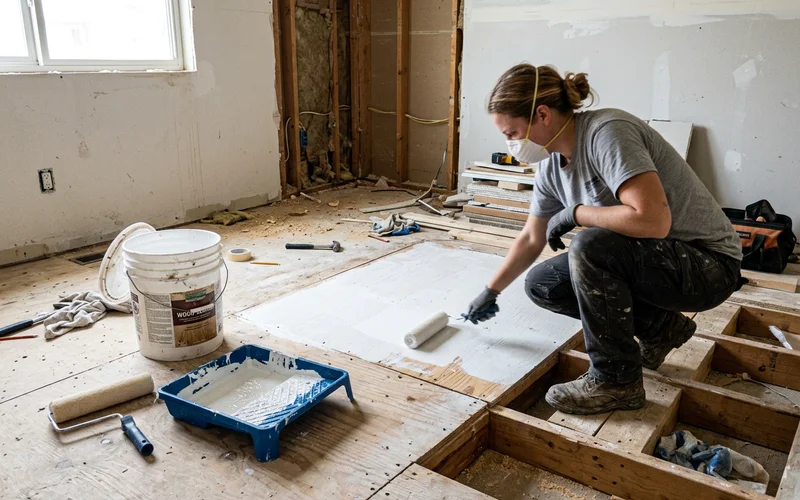
Professional air treatment relies on specialized equipment to chemically remove decomposition smell suspended in the environment. We utilize three distinct methods to neutralize the air volume inside the property.
Air scrubbers with HEPA and activated carbon filtration run throughout the entire process. Our machines continuously cycle the air volume in the space to capture loose particulates. To destroy the actual odor compounds, we deploy specific molecular tools based on the occupancy of the home.
| Treatment Method | Mechanism of Action | Safe for Occupied Spaces? | Typical Use Case |
|---|---|---|---|
| Hydroxyl Generators | Creates hydroxyl radicals to break down odors | Yes | When family members remain in the house. |
| Ozone Oxidation | Uses O3 gas to rapidly destroy airborne compounds | No (Requires vacancy) | Empty properties needing aggressive, fast turnaround. |
| Thermal Fogging | Heats deodorizer into a vapor to penetrate pores | No (Requires vacancy) | Reaching deep into structural cracks and crevices. |
Hydroxyl generators produce safe, naturally occurring radicals that actively break down odor molecules in the air and on exposed surfaces. We frequently deploy these units because they work without displacing the family.
Ozone oxidation, on the other hand, is a much more aggressive and faster chemical treatment. We strictly follow US EPA guidelines requiring the removal of all people, pets, and plants during ozone application.
Thermal fogging heats a specialized deodorizing compound into a microscopic, fine vapor. We use this method because the vapor penetrates porous materials in the exact same way the original odor did. The heated fog reaches deep into structural cracks and tight crevices that liquid surface treatments simply cannot touch.
Step 4: Verification and Reassessment
A proper cleanup is verified by what happens after all the equipment is finally shut off and removed. The true test of elimination occurs when the indoor environment experiences changes in temperature and humidity.
We close up the treated space, let it sit undisturbed, and then return to thoroughly assess the air quality. Odor that has been genuinely eliminated at the molecular level does not return. We find that odor that was merely masked or partially treated comes back as soon as the space warms up.
“Odor compounds remain dormant in cold, dry conditions, but heat and humidity will quickly expose any incomplete remediation work.”
A temperature rise above 75 degrees Fahrenheit or a spike in humidity causes material pores to expand and release trapped gases. This natural off-gassing effect is exactly why we physically check the property rather than just assuming the job is done.
If the distinct smell of decomposition returns, we immediately go back to step one to find what was missed. Our experience shows that a lingering odor usually points to a saturated material that was mistakenly left in place.
Why HVAC Is Part of the Job
Treating a room while ignoring the ductwork leaves a massive reservoir that will continuously reintroduce the smell into the home. If the air conditioning or heating system was running during the event, the ductwork acts as a distribution highway for odor.
We always treat the HVAC ductwork as a mandatory part of the scope when the system was active. The National Air Duct Cleaners Association (NADCA) ACR standard dictates how we approach this complex contamination.
We place the entire duct system under negative pressure and use mechanical agitation to physically dislodge particulates. Microscopic biological matter and odor molecules get trapped deep inside:
- Supply and return air ducts
- The primary air handler unit
- Fiberglass system filters
- Evaporator coils and drip pans
Some general cleaning companies skip this vital step, only to blame the lingering smell on the building itself. We know that running a clean HVAC system over a dirty duct network will instantly ruin a freshly remediated room. Our technicians ensure the lungs of the house are thoroughly sanitized before signing off on the project.
What About Masking Products?
Masking products temporarily cover up a smell with a stronger fragrance, whereas molecular elimination completely destroys the offending compound. We never use consumer masking agents because they simply do not work on biological decay.
If you want to understand the exact chemical difference, our odor removal versus masking guide covers it directly. The short version is that consumer aerosol sprays often rely on compounds like cyclodextrin.
We know that these chemicals only trap the odor molecule inside a temporary ring for a few hours. A pleasant fragrance simply competes with the decomposition odor until the chemical bond naturally breaks down.
Molecular elimination, using the professional tools mentioned above, actually shatters the putrescine compound apart. We focus entirely on destroying the source rather than just changing how the room smells today. Only one of those methods guarantees the home will still be clean and odor-free next month.
Moving Forward With Confidence
Knowing exactly how to remove decomposition odor from a house protects your family from repeated frustration and unnecessary expense. True remediation requires a scientific, step-by-step approach.
We encourage families dealing with a hoarding situation or an overwhelming property recovery to seek professional guidance. Attempting this level of cleanup alone is physically dangerous and emotionally exhausting.
Our team is always ready to answer your questions and provide a clear, judgment-free path forward. Reach out to a certified biohazard remediation specialist today to safely restore your home.
Frequently Asked Questions
Can decomposition odor be fully removed?
Do you seal the subfloor?
How long does odor treatment take?
Is ozone or hydroxyl better?
Related Guides
What Happens to a Home After an Unattended Death
Understand what happens to a property after an unattended death, from decomposition and biological hazards to structural permeation and why the home is unsafe.
What to Do After Finding a Loved One Who Has Died at Home
A compassionate step-by-step guide after finding a loved one who has died at home, covering calling authorities, coroner release, funeral homes, and remediation.
What to Expect After the Coroner Releases the Scene
What to expect after the coroner releases a scene: handoff timeline, first steps, what the crew does on arrival, insurance, property access, and discretion.
Who Pays for Unattended Death Cleanup in Ohio?
Who pays for unattended death cleanup in Ohio: homeowners insurance, estate responsibility, victim-assistance programs, deposit terms, and claim help.
Learn more about Unattended Death Cleanup
If this guide described your situation, our unattended death service page walks through the full process, pricing, and what happens after you call.